Conditions Treated
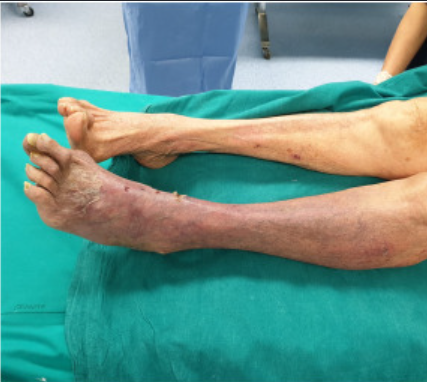
Acute Limb Ischemia
Acute limb ischemia is a sudden loss of blood flow to an arm or leg, usually caused by a sudden blockage or clot in a blood vessel. Common signs include sudden severe pain, a cold limb, pale or bluish skin color, and weakness or numbness. Without prompt treatment, muscle and nerve damage can set in within hours, creating a real risk of losing the limb. Dr. Arif performs emergency surgery to restore blood flow quickly in these cases, with the goal of saving the limb.
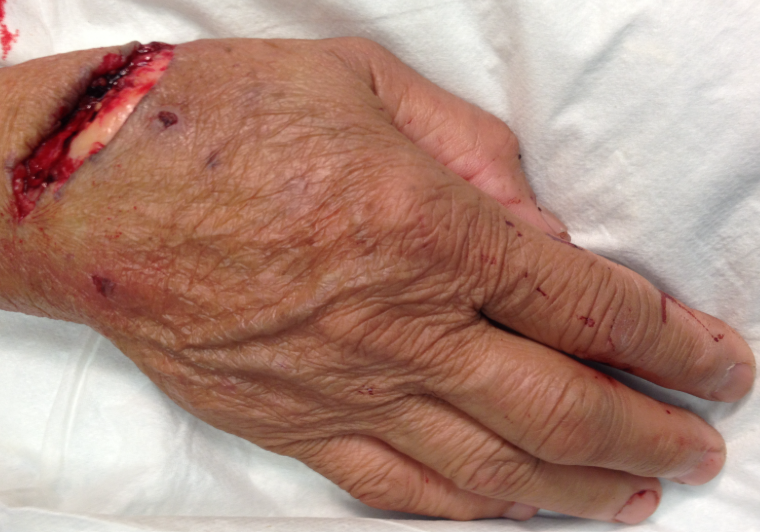
Vascular Trauma / Injury
When an accident, a sharp injury, or a fall tears or damages a blood vessel, it's called vascular trauma. It typically presents with heavy bleeding, rapid swelling, or the affected limb turning cold. Without treatment, a patient can face life-threatening blood loss or loss of the limb within a short time. Dr. Arif performs immediate surgical repair for these vascular emergencies, work that can save both life and limb.
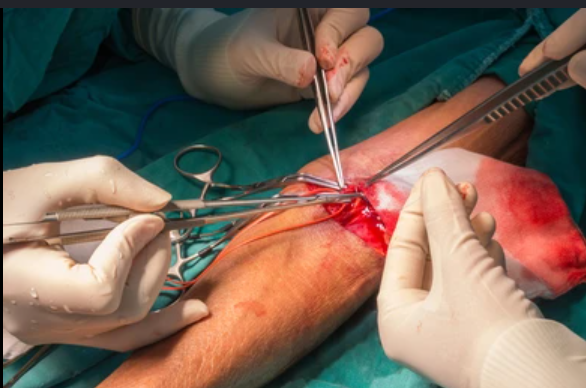
AV Fistula (Dialysis Access) Surgery
An AV fistula is a surgical connection between an artery and a vein, usually created in the arm, giving long-term kidney dialysis patients a durable vascular access point. Patients with kidney failure need regular dialysis, and a fistula is considered the safest, longest-lasting way to provide that access. Without proper access, dialysis becomes difficult to carry out effectively, so creating a fistula in good time matters. Dr. Arif is experienced in both creating fistulas and maintaining them long-term, including his own published research on this in pediatric patients.
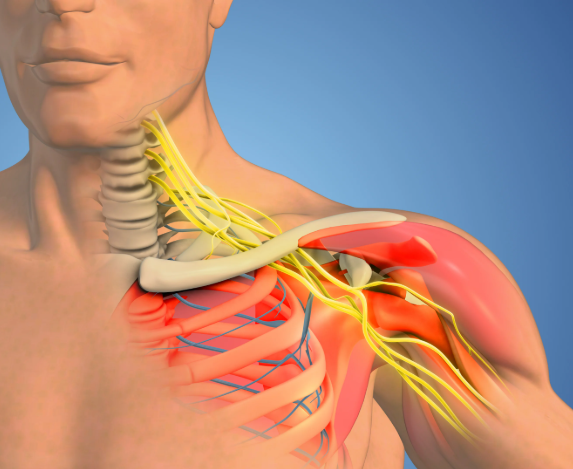
Cervical Rib (Thoracic Outlet Syndrome)
A cervical rib is an extra rib present from birth near the neck that can press on nearby nerves and blood vessels — also known as thoracic outlet syndrome. It can cause arm pain, tingling, weakness, or an arm that tires easily, symptoms that are often mistaken for ordinary muscle strain. Left untreated, it can affect blood flow or nerve function in the arm over time. Dr. Arif diagnoses it through proper examination and, where needed, relieves the compression surgically.
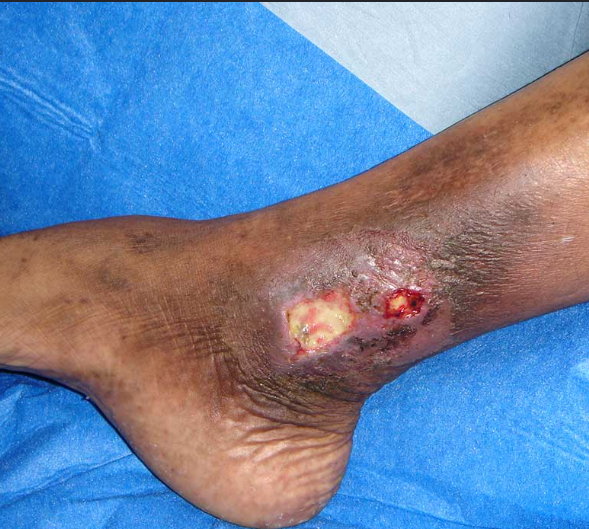
Long-Standing Leg Ulcer
A leg wound that won't heal for a long time is often caused by an underlying vein or artery circulation problem, not just a simple skin condition. Such wounds often come with pain, changes in the surrounding skin color, and repeated infection. Without proper vascular evaluation and treatment, this kind of wound can persist for months or even years, with a real risk of spreading infection. Dr. Arif identifies the true underlying cause with a duplex scan and provides the right vascular treatment so the wound heals for good.
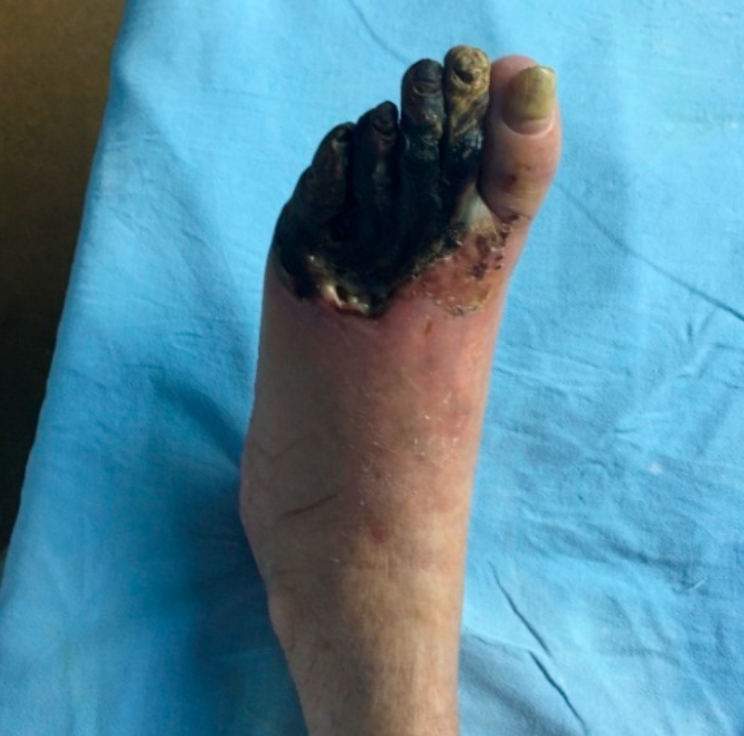
Diabetic Foot & Gangrene
Because diabetic patients often have reduced blood flow to the feet, even a small wound can turn serious quickly. Early signs include numbness in the foot, slow-healing wounds, and toes turning dark. Left unaddressed, it can progress to gangrene, sometimes requiring amputation of the foot or toes. Dr. Arif evaluates blood flow promptly and treats it early, with the goal of preserving as much of the limb as possible.