বাংলা EN
General & Laparoscopic Surgery

Modern Surgery for Conditions Like Gallstones, Hernia, and Appendicitis

Small incisions, less pain, faster return to normal life.

What are you feeling?

Select any that apply — you can pick more than one.

Recurring pain in the upper-right abdomen, worse after fatty food
Bloating and repeated indigestion
Swelling in the lower abdomen or groin, more noticeable standing
A bulge around the belly button
Abdominal pressure or strain when lifting something heavy
Pain starting around the belly button, then moving to the lower right
Sudden severe abdominal pain with nausea and fever
Pain that worsens when the abdomen is pressed
Long-standing dull pressure or heaviness in the abdomen
0 symptoms selected
This is only an initial guide — please don't assume this is your diagnosis. An accurate diagnosis requires a direct examination by Dr. Arif.
Most of these can be resolved quickly with laparoscopic surgery — talk to us first.
General & Laparoscopic Surgery

Conditions Treated

Hernia

Hernia Repair

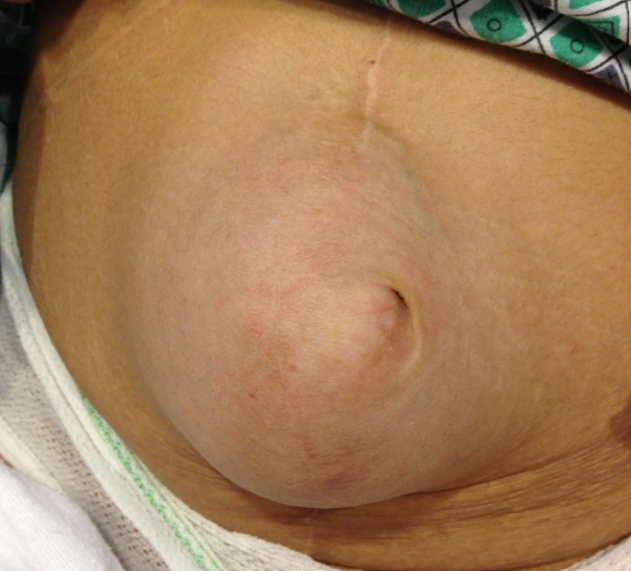
A hernia occurs when internal tissue or bowel pushes through a weak spot in the abdominal wall, usually appearing as a bulge in the lower abdomen or around the belly button, most noticeable when standing or lifting something heavy. It may be painless at first, but it can grow larger and more uncomfortable over time. The biggest risk is strangulation — the tissue getting trapped — which is a surgical emergency needing immediate treatment. Dr. Arif repairs hernias laparoscopically, which means less pain and a faster recovery.
Appendix

Appendix Surgery

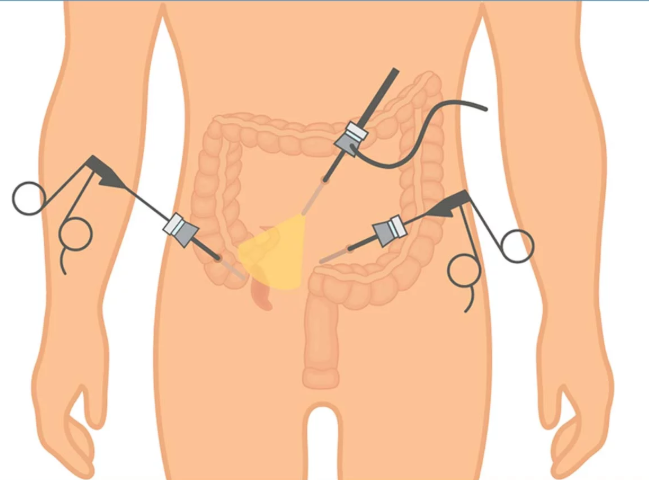
Inflammation of the appendix, or appendicitis, typically starts as pain around the belly button that gradually moves to the lower right abdomen, along with nausea, fever, and pain that worsens with pressure. It's a rapidly progressing condition — without prompt treatment, the appendix can rupture and spread a serious infection inside the abdomen. That's why these symptoms need urgent medical attention. Dr. Arif removes the appendix laparoscopically (keyhole surgery), ensuring a safe procedure and faster recovery.
Gallstone / Gallbladder

Gallstone / Gallbladder Surgery

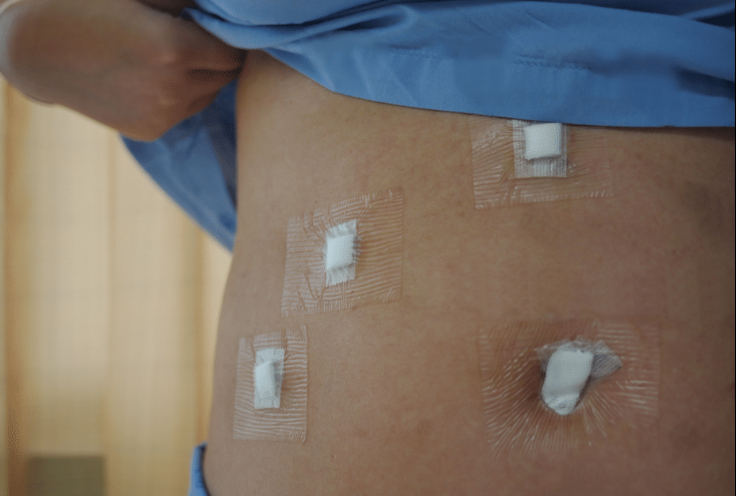
Gallstones are small, hard deposits that form in the gallbladder, often causing pain in the upper-right abdomen, bloating, or indigestion, especially after fatty meals. In some cases the pain can radiate to the back or right shoulder. Left untreated, a stone can lodge in the bile duct and lead to complications like severe inflammation, jaundice, or pancreatitis. Dr. Arif removes the gallbladder safely through small laparoscopic punctures, allowing for a faster recovery.

0 Successful Surgeries· 0 Years of Experience· Assistant Professor at NICVD
How It Works

Getting Expert Treatment Is Simple

1

Call or Message

Call the chamber hotline to describe your symptoms or book a serial.

2

Bring Your Reports

Bring any previous ultrasound, CT scan, or blood test results you have.

3

Get a Clear Treatment Plan

Dr. Arif explains the problem in plain language and tells you the next steps — without delay.

FAQ

What Patients Want to Know

Is laparoscopic surgery safer than open surgery?+

In most cases, yes — because it's done through small punctures, there's usually less pain, lower infection risk, and a shorter hospital stay.

Do gallstones always need surgery?+

Surgery is generally advised if there are symptoms or a risk of complications; otherwise, monitoring may be an option — Dr. Khan will assess your specific situation and advise accordingly.

Is a painless hernia still something to worry about?+

Yes — even a painless hernia carries a risk of the tissue getting trapped, so repair is generally recommended.

How long does recovery take after appendix surgery?+

With the laparoscopic approach, most patients return to normal activity within a few days.

Don't Ignore Abdominal Symptoms

Gallstones, hernia, or appendicitis — timely treatment helps you avoid complications. Talk to us today.

Call WhatsApp