Conditions Treated
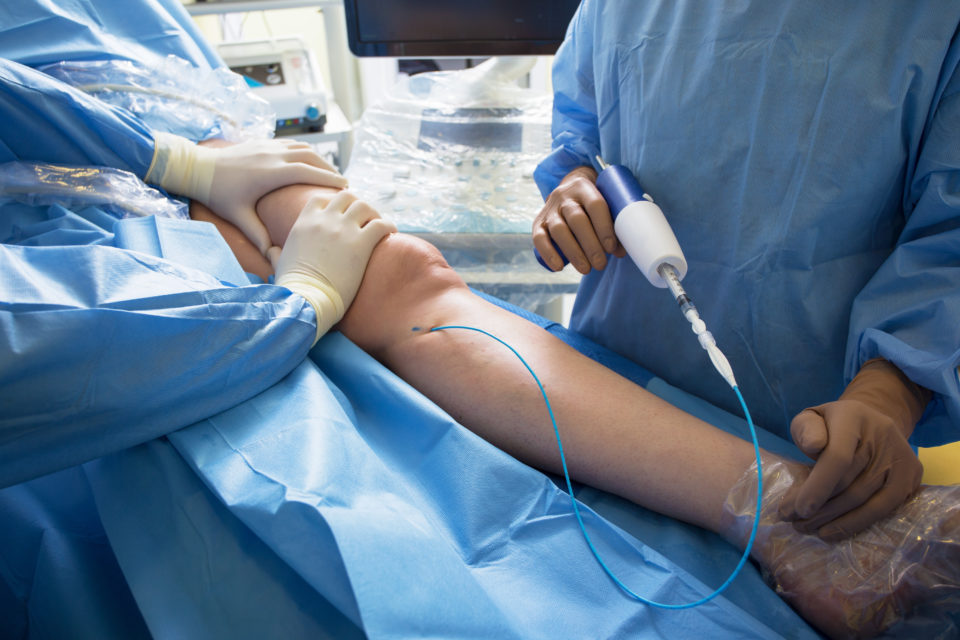
Leg (Lower Limb) Arterial Stenting
When a leg artery becomes narrowed or blocked, it can cause pain on walking, a cold limb, or wounds that won't heal. In endovascular stenting, a small metal tube called a stent is placed at the site of the blockage through a catheter inserted via a tiny puncture, reopening the artery and restoring normal blood flow. This avoids major surgery, involves less pain, and allows for a faster recovery. Dr. Arif is experienced in this modern, minimally invasive technique.
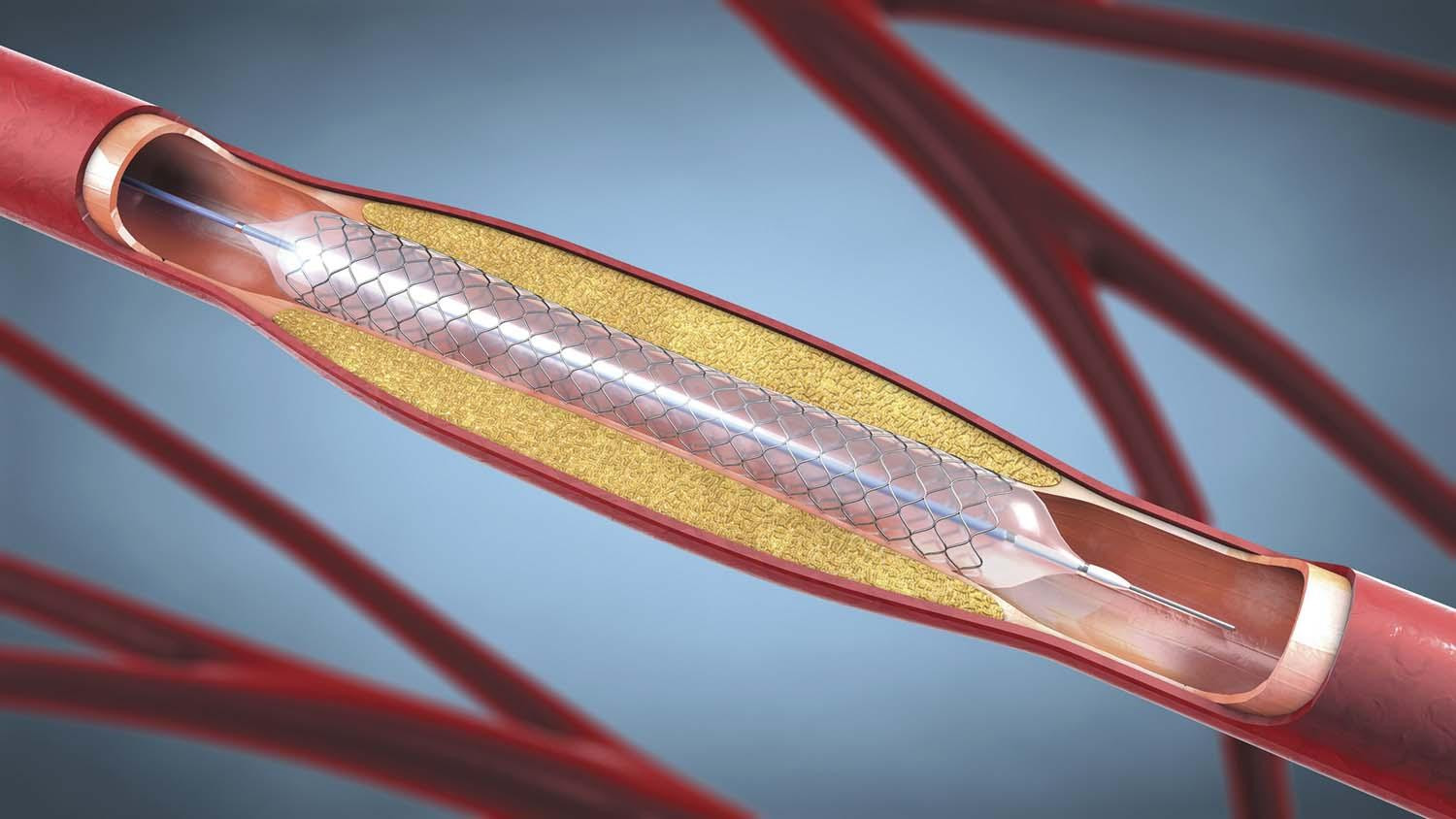
Arm (Upper Limb) Arterial Stenting
A narrowed or blocked artery in the arm can cause numbness, weakness, or a cold sensation — this is especially important for patients with a dialysis access fistula. Endovascular stenting inserts a catheter through a tiny puncture and places a stent at the site of the blockage, restoring normal blood flow without open surgery. Dr. Arif is experienced in this technique, particularly for dialysis-related vascular access issues.